
FDA Approves Remibrutinib as First Treatment for Symptomatic Dermographism
Key Takeaways
- The FDA approved Rhapsido (remibrutinib) for adults with symptomatic dermographism inadequately controlled by H1 antihistamines, making it the first FDA-approved treatment specifically for this population.
- In the Phase 3 RemIND trial, 29.3% of patients receiving remibrutinib achieved complete hive response at Week 12 versus 14.0% with placebo (P = .0229), with responses observed as early as Week 2.
- The oral Bruton tyrosine kinase inhibitor is now approved for both symptomatic dermographism and chronic spontaneous urticaria.
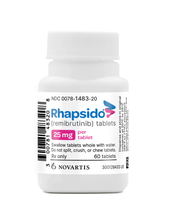
The FDA has approved Rhapsido (remibrutinib; Novartis) for adults with symptomatic dermographism (SD) whose disease is inadequately controlled with H1 antihistamines, according to an October 7 announcement from Novartis.
The approval makes remibrutinib the first FDA-approved treatment specifically for SD and expands its use beyond chronic spontaneous urticaria (CSU).
“Remibrutinib offers, for the first time, an approach to treatment specifically for SD patients who remain inadequately controlled with H1 antihistamines alone,” said Giselle Mosnaim, MD, MS, lead investigator of the RemIND trial and clinical professor at the University of Chicago Pritzker School of Medicine, said in the news release.
Phase 3 RemIND Trial Supports FDA Approval
The approval was supported by the SD cohort of the Phase 3 RemIND trial, which enrolled patients who remained symptomatic while receiving second-generation H1 antihistamines. At Week 12, 29.3% of patients treated with remibrutinib achieved a complete hive response based on Total Fric Score compared with 14.0% receiving placebo (P = 0.0229). Responses were observed as early as Week 2.
Through Week 24, the safety profile in SD was consistent with the drug’s experience in CSU, according to Novartis. The most commonly reported adverse events, occurring in at least 3% of patients, included nasopharyngitis, bleeding, headache, nausea, and abdominal pain. Routine laboratory monitoring is not required, according to the company.
“Today’s approval marks an important milestone for people living with SD and builds on the first FDA-approved indication for Rhapsido in CSU just over a year ago,” said Victor Bultó, President, US, Novartis, in the news release. “With Rhapsido now approved for the two most common forms of chronic hives, more people may have the opportunity to find relief from persistent itch, regain confidence in their daily lives, and focus less on their symptoms and more on the moments that matter.”
Source
Novartis press release. October 7, 2026.