
Study: Dupilumab Shows Long-Term Disease Control in Pediatric Atopic Dermatitis
Key Takeaways
- Most pediatric patients treated with dupilumab maintained improvements in skin lesions, itch, and sleep over 1 year, recent data suggest.
- Sustained disease control was observed in infants, children, and adolescents in the ongoing LIBERTY AD PED-OLE extension study.
- Safety findings were consistent with the established dupilumab profile.
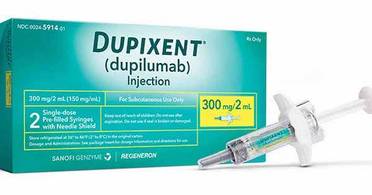
Children and adolescents with moderate-to-severe atopic dermatitis (AD) maintained improvements in disease signs and symptoms during 1 year of dupilumab treatment, according to a post hoc analysis of the ongoing phase 3 LIBERTY AD PED-OLE open-label extension study. The findings were published in the British Journal of Dermatology.
Sustained Control Seen Across Pediatric Age Groups
The analysis included 763 patients aged 6 months to 17 years who completed assessments over 52 weeks after enrollment from prior phase 3 dupilumab trials. Investigators evaluated sustained disease control using Eczema Area and Severity Index (EASI) scores, SCORAD pruritus visual analog scale (VAS), and SCORAD sleep loss VAS.
More than two-thirds of patients achieved sustained improvement in skin lesions (EASI ≤7) at three or more of five study visits, (77% of infants and preschoolers, 69% of children, and 63% of adolescents). Sustained itch control (SCORAD pruritus VAS <4) was observed in 80% to 85% of patients across age groups, while sustained improvement in sleep loss (SCORAD sleep loss VAS <4) was reported in 87% to 94%. More than half of patients aged 12 years or younger achieved concurrent control of skin lesions, itch, and sleep by 6 months, whereas adolescents generally reached the same milestone after approximately 9 months.
Safety findings were consistent with the established dupilumab profile. Study limitations include the post hoc design, absence of a placebo comparator, and use of isolated SCORAD itch and sleep measures that have not been independently validated.
"The majority of pediatric patients with AD had sustained improvements in signs/symptoms over 1 year of dupilumab treatment, with a trend toward concomitant topical medication reduction; spontaneous remission was deemed unlikely given this population's early-onset and high burden of disease," the authors wrote. "Notably, younger patients had concurrent skin lesions and symptoms control by 6 months of treatment, whereas adolescents required a longer treatment duration."
Source
Siegfried EC, et al. British Journal of Dermatology. 2026. Doi:10.1093/bjd/ljag261