
Zasocitinib Demonstrates Strong Week 16 Responses Across High-Impact Psoriasis Sites
Key Takeaways
- New Phase 3 analyses showed zasocitinib produced high rates of skin clearance in difficult-to-treat psoriasis sites, including the scalp, palms/soles, and nails.
- Approximately three-quarters of patients with scalp psoriasis and about 70% of those with palmoplantar disease achieved clear or almost clear skin at week 16.
- Takeda plans to begin regulatory submissions for zasocitinib in plaque psoriasis during its current fiscal year.
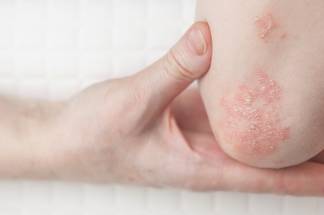
Takeda announced new secondary analyses from its pivotal Phase 3 LATITUDE PsO 3001 and 3002 trials showing that the investigational oral TYK2 inhibitor zasocitinib (TAK-279) achieved high rates of skin clearance in adults with moderate-to-severe plaque psoriasis affecting difficult-to-treat, high-impact body sites. The findings were presented at the 2026 American Academy of Dermatology (AAD) Innovation Academy.
Phase 3 Psoriasis Data Highlight Responses in Scalp, Nails, and Palmoplantar Disease
Among patients with moderate scalp psoriasis at baseline, 77% and 74% of those treated with zasocitinib achieved a scalp-specific Physician Global Assessment (ssPGA) score of 0/1 (clear or almost clear) at week 16, compared with 7% and 13% for placebo and 42% and 30% for apremilast (P < .001). Approximately 71% and 69% of patients with palmoplantar psoriasis achieved hands and/or feet-specific PGA (hfPGA) 0/1 responses at week 16 versus 22% and 10% with placebo and 44% and 43% with apremilast. Zasocitinib also produced statistically significant improvements in Nail Psoriasis Severity Index (NAPSI) scores compared with placebo (P < .001), with responses maintained through week 24.
The LATITUDE PsO studies enrolled 693 and 1,108 adults, respectively, with moderate-to-severe plaque psoriasis. Previously reported topline data demonstrated that approximately 70% of patients receiving zasocitinib achieved static Physician Global Assessment (sPGA) 0/1 at week 16, with PASI 75 responses emerging as early as week 4 and continuing to improve through week 24. The most common adverse events through week 24 were upper respiratory tract infection, nasopharyngitis, and acne, with no new safety signals reported.
"These findings show that zasocitinib delivered consistently clear skin across the hardest-to-treat areas, including the scalp, nails, palms and soles, reinforcing its potential to become a leading oral treatment option for patients seeking meaningful, whole-body skin clearance," said author Leon Kircik, MD, founder and medical director of Skin Sciences and Physicians Skin Care, Louisville, Kentucky, in the company announcement.
Takeda stated it plans to begin submitting a New Drug Application for zasocitinib in plaque psoriasis to the U.S FDA and other regulatory authorities during its current fiscal year.
Source
Takeda press release. July 16, 2026.