
Key Takeaways
- Acne in patients with skin of color is often more severe and more likely to result in dyspigmentation and scarring, necessitating early and proactive treatment strategies.
- Significant disparities exist in diagnosis and treatment, with African American patients less likely to be diagnosed or prescribed therapies such as retinoids or isotretinoin.
- Acne should be viewed as an inflammatory continuum, supporting earlier and more aggressive intervention.
- Retinoids remain foundational but must be carefully selected and managed to minimize irritation and subsequent hyperpigmentation; newer agents like trifarotene and tazarotene lotion show improved tolerability.
- Postinflammatory hyperpigmentation is often the primary patient concern and requires concurrent, multimodal management alongside acne, including topical agents, skincare optimization, and procedural therapies.
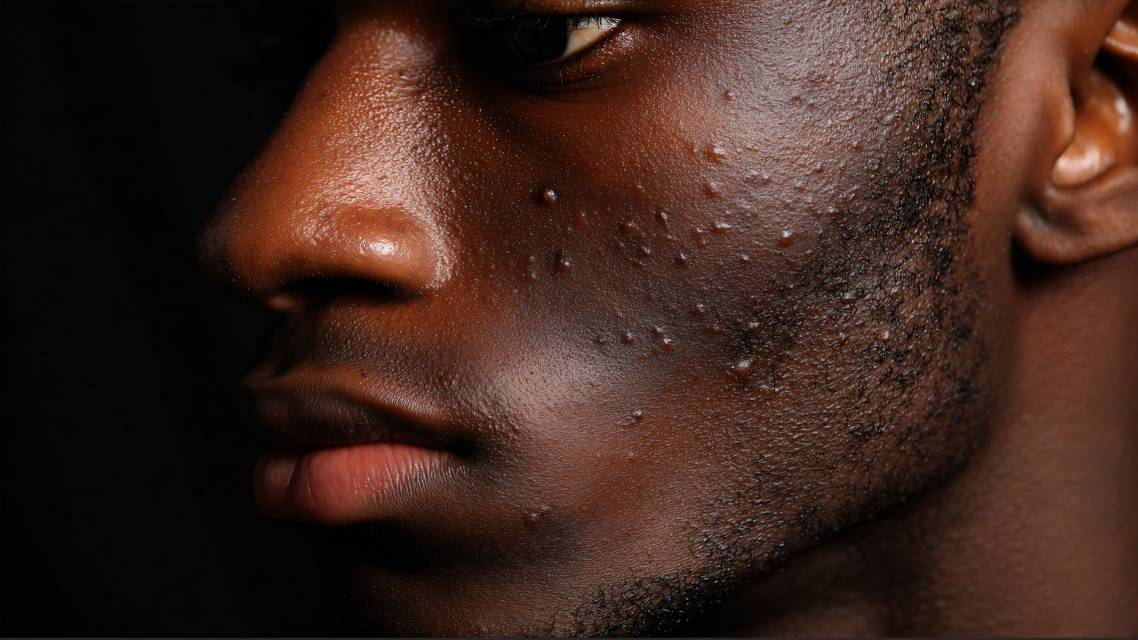
Acne is among the top concerns for dermatology patients with skin of color.1 Although the prevalence of acne is high across races and ethnicities, some studies suggest patients with skin of color have slightly higher acne prevalence and severity. African American, Hispanic, and Asian patients also encounter more significant dyspigmentation and atrophic/hypertrophic scarring than other ethnicities.2 Cultural practices can also contribute to higher rates of acne in this population, including “pomade acne,” which develops following application of various hair oils; “grease;” and waxes, a practice common in African American cultures.3 Therefore, special considerations must be taken when treating acne in this population.
DIAGNOSIS AND MANAGEMENT
Studies indicate that disparities exist in the diagnosis and management of acne across races. A mere 20.4% of African American patients reported ever receiving an acne diagnosis compared to 30.2% in their white counterparts.4 Multivariate adjusted logistic regression analysis of isotretinoin prescription showed an adjusted odds ratio (aOR) of 0.46 in African American patients compared to an aOR of 0.85 in other patients. In the same vein, analysis of all acne medications prescribed showed an aOR of 0.64 in African American patients compared to an aOR of 1.18 in other patients. Similar trends were noted in combination acne medications prescribed and visits with a dermatologist.5 This suggests that African Americans are less likely to receive an acne diagnosis, and when they do, they are less likely to receive prescriptions, such as topical and oral retinoids. This is of concern given the high rate of inflammatory acne and sequelae in this population.
A foundational approach to acne assessment involves distinguishing inflammatory from non-inflammatory lesions. Comedones are conventionally categorized as non-inflammatory, in contrast to papules and pustules, which are considered inflammatory. However, IL-1 alpha, a key early inflammatory mediator in acne, has been found in the comedonal stage of acne.6 Halder et al reported histologic evidence of inflammation within comedones in Black women.7 This calls into question the long-held assumption that comedones are purely non-inflammatory and suggests a continuum of inflammation in acne, requiring treatments to simultaneously address follicular blockage and underlying inflammation. Considering the role of inflammation in the development of acne sequelae, early and appropriately aggressive intervention should be considered even in cases of classically “mild” or comedonal acne, with particular attention to patients with skin of color.
TREATMENT
Topical retinoids are the foundation of acne treatment due to their comedolytic and anti-inflammatory properties. However, retinoid dermatitis, marked by excessive dryness, flaking, erythema, itching, and stinging, is a feared complication and must be mitigated as this may lead to hyperpigmentation in skin of color. Selection of newer-generation retinoids, such as trifarotene, should be considered in this population to minimize the risks of dermatitis. Trifarotene was found to have highly selective binding to the gamma subunit of the RAR gamma receptor.8 Unlike tretinoin, which exhibits nonselective receptor binding, selective binding is associated with a reduced risk of retinoid dermatitis. Trifarotene has been shown to improve acne severity and acne scarring in patients with skin of color. In a 24-week study, trifarotene was associated with a statistically significant reduction in the mean absolute change in atrophic scar counts compared with vehicle.9 Other retinoid options include tazarotene 0.045%, the first tazarotene acne treatment available in lotion formulation. A post hoc analysis of Phase 3 trials evaluating the safety and efficacy of tazarotene 0.045% lotion in Black patients with moderate-to-severe acne demonstrated improvements in both acne and postinflammatory hyperpigmentation following 12 weeks of use. Tazarotene lotion demonstrated good tolerability and no reports of dermatitis or application-site irritation.10 A post hoc analysis of clinical trial participants using triple-combination clindamycin phosphate/adapalene/benzoyl peroxide, who self-identified as Black or African American, reported reduction in both inflammatory and noninflammatory acne lesions by week 12, without inducing hyperpigmentation.11 Additionally, both tazarotene 0.045% and triple-combination clindamycin phosphate/adapalene/benzoyl peroxide have demonstrated superior efficacy versus adapalene and adapalene/benzoyl peroxide combination in the treatment of acne.12,13
POSTINFLAMMATORY HYPERPIGMENTATION
Postinflammatory hyperpigmentation (PIH) is more common, more severe, and often more psychologically burdensome for patients with skin of color than acne itself.14 A study conducted by Gorelick et al involving 312 women with acne found that PIH was the primary concern for 18.8% of black participants compared to 2.8% of white participants.15 Similarly, a cross-sectional study performed on 208 women with acne found PIH to be the primary concern for 41.6% of non-white participants compared to 8.4% in white participants.16
Treatment of PIH is often difficult and may require a multimodal approach. Given the significant psychosocial distress associated with PIH, concurrent management of both acne and PIH is essential. Dermatologists should avoid dismissing or delaying concerns related to PIH. Likewise, patients should not be reassured that PIH will simply fade, as lesions may persist for months to years despite resolution or control of the inciting inflammatory process.
Acne-prone skin exhibits impaired barrier function and decreased epidermal ceramide levels.17 Reduced ceramide content has been documented in Black and Hispanic patients, potentially placing them at increased risk for retinoid dermatitis and hyperpigmentation.18 Consequently, skincare should not be regarded as an adjunct to therapy but as an integral component of acne management in patients with skin of color in order to reduce the risk of PIH.
First-line treatments for PIH include retinoids, tyrosinase inhibitors, and chemical peels, with antioxidants playing an adjuvant role. Initiation of one of the aforementioned retinoids is preferred when treating acne/PIH. Other ingredients that affect the melanin production pathway such as niacinamide, soy, cysteamine, and tranexamic acid are generally well tolerated and can be used as adjunctive treatments.
Two novel ingredients have shown efficacy in the treatment of hyperpigmentation: 2-mercaptonicotinyl glycine (2-MNG) and thiamidol. 2-MNG acts by binding to and preventing the integration of melanin precursors, such as dopaquinone, into melanin without impairing tyrosinase.19 Isobutylamido thiazolyl resorcinol, also known as thiamidol, is a potent human tyrosinase inhibitor.20 In a 12-week study, Roggenkamp et al evaluated thiamidol for the treatment of postinflammatory hyperpigmentation in individuals with Fitzpatrick skin type V and observed a significant improvement in patient self-assessed hyperpigmentation scores. A separate study including participants with Fitzpatrick skin types V and VI demonstrated a significant reduction in the melanin index within lesional skin, with no corresponding change in perilesional skin.21
Chemical peels, such as salicylic acid and glycolic acid peels, are useful in the treatment of PIH and mild acne scarring. Salicylic acid is a lipophylic agent with comedolytic, anti-sebum, and anti-inflammatory properties. Glycolic acid is an alpha hydroxy acid with activity at the epidermal and dermal layers. Glycolic acid can increase skin moisturization, enhance desquamation, and increase collagen production, making it a suitable chemical peel for patients with PIH and atrophic acne scarring. Second-line options for PIH include 1064-nm Nd:YAG lasers, low-energy nonablative lasers, fractional lasers, and microneedling.21 Radiofrequency microneedling and low-density fractional ablative lasers can be used to treat both PIH and acne scarring, but care must be taken to minimize hyper/hypopigmentation, burn injury, and scarring.
IMPROVING RECOGNITION AND TREATMENT
Acne represents a leading dermatologic concern among patients with skin of color; however, it remains disproportionately underrecognized and undertreated compared with other patient populations. Given the elevated risk of concomitant sequelae including postinflammatory hyperpigmentation, retinoid-associated dermatitis, and barrier dysfunction, a comprehensive, proactive treatment strategy should be implemented at the initiation of therapy. Adjunctive use of appropriate skincare formulations to regulate sebum production, restore ceramide content, and reduce transepidermal water loss is essential to optimize treatment outcomes and minimize complications. Furthermore, procedural interventions aimed at reducing acne and PIH should not be regarded as purely cosmetic, nor should their initiation be delayed, as the long-term sequelae of acne, including persistent PIH and scarring, represent a significant clinical and psychosocial burden in this patient population.
1. Davis SA, Narahari S, Feldman SR, Huang W, Pichardo-Geisinger RO, McMichael AJ. Top dermatologic conditions in patients of color: an analysis of nationally representative data. J Drugs Dermatol. 2012;11(4):466-473.
2. Perkins AC, Cheng CE, Hillebrand GG, Miyamoto K, Kimball AB. Comparison of the epidemiology of acne vulgaris among Caucasian, Asian, Continental Indian and African American women. J Eur Acad Dermatol Venereol. 2011;25(9):1054-1060. doi:10.1111/j.1468-3083.2010.03919.x
3. Heath CR, Usatine RP. Acne vulgaris. J Fam Pract. 2021;70(7):356. doi:10.12788/jfp.0271
4. Shareef SJ, Rayyan N, Woods A, Ashack K. Decreased treatment of acne among adolescents in skin of color populations: an examination through the perspective of the National College Health Assessment. JAAD Int. 2024;15:1-2. doi:10.1016/j.jdin.2024.01.003
5. Rogers AT, Semenov YR, Kwatra SG, Okoye GA. Racial disparities in the management of acne: evidence from the National Ambulatory Medical Care Survey, 2005-2014. J Dermatolog Treat. 2018;29(3):287-289. doi:10.1080/09546634.2017.1371836
6. Ingham E, Eady EA, Goodwin CE, Cove JH, Cunliffe WJ. Pro-inflammatory levels of interleukin-1 alpha-like bioactivity are present in the majority of open comedones in acne vulgaris. J Invest Dermatol. 1992;98(6):895-901. doi:10.1111/1523-1747.ep12460324
7. Halder RM, Holmes YC, Bridgeman-Shah S, Kligman AM. A clinicohistopathologic study of acne vulgaris in black females (abstract). J Invest Dermatol. 1996;106:888.
8. Kassir M, Karagaiah P, Sonthalia S, et al. Selective RAR agonists for acne vulgaris: a narrative review. J Cosmet Dermatol. 2020;19(6):1278-1283. doi:10.1111/jocd.13340
9. Schleicher S, Moore A, Rafal E, et al. Trifarotene reduces risk for atrophic acne scars: results from a phase 4 controlled study. Dermatol Ther (Heidelb). 2023;13(12):3085-3096. doi:10.1007/s13555-023-01042-7
10. Safety of tazarotene 0.045% lotion and hyperpigmentation improvements in Black participants with moderate-to-severe acne. SKIN J Cutan Med. 2023;7(4):s221. doi:10.25251/skin.7.supp.221
11. Callender VD, Alexis AF, Bhatia N, et al. Efficacy and safety of fixed-dose clindamycin phosphate 1.2%/adapalene 0.15%/benzoyl peroxide 3.1% gel in Black participants with moderate to severe acne. J Clin Aesthet Dermatol. 2025;18(4):10-16.
12. Tanghetti E, Dhawan S, Green L, et al. Randomized comparison of the safety and efficacy of tazarotene 0.1% cream and adapalene 0.3% gel in the treatment of patients with at least moderate facial acne vulgaris. J Drugs Dermatol. 2010;9(5):549-558.
13. Kircik LH, Stein Gold L, Gold M, et al. Triple combination clindamycin phosphate 1.2%/adapalene 0.15%/benzoyl peroxide 3.1% for acne: efficacy and safety from a pooled phase 3 analysis. Dermatol Ther (Heidelb). 2024;14(5):1211-1227. doi:10.1007/s13555-024-01155-7
14. Callender VD, Baldwin H, Cook-Bolden FE, Alexis AF, Stein Gold L, Guenin E. Effects of topical retinoids on acne and post-inflammatory hyperpigmentation in patients with skin of color: a clinical review and implications for practice. Am J Clin Dermatol. 2022;23(1):69-81. doi:10.1007/s40257-021-00643-2
15. Gorelick J, Daniels SR, Kawata AK, Degboe A, Wilcox TK, Burk CT, Douse-Dean T. Acne-related quality of life among female adults of different races/ethnicities. J Dermatol Nurses Assoc. 2015;7(3):154-162. doi:10.1097/JDN.0000000000000129
16. Fleshner L, Roster K, Balboul S, Lipner SR. Bridging the gap in acne vulgaris research for skin of color patients. J Am Acad Dermatol. 2025;92(5):e137-e138. doi:10.1016/j.jaad.2024.11.072
17. Pappas A, Kendall AC, Brownbridge LC, Batchvarova N, Nicolaou A. Seasonal changes in epidermal ceramides are linked to impaired barrier function in acne patients. Exp Dermatol. 2018;27(8):833-836. doi:10.1111/exd.13499
18. Alexis AF, Woolery-Lloyd H, Williams K, et al. Racial/ethnic variations in skin barrier: implications for skin care recommendations in skin of color. J Drugs Dermatol. 2021;20(9):932-938. doi:10.36849/jdd.6312
19. Dumbuya H, Alexis A, Lynch S, Callender V, Desai SR, Draelos ZD. Efficacy of a 2-MNG-containing serum and sunscreen regimen on improving facial dyschromia in women with skin of color. J Clin Aesthet Dermatol. 2025;18(10):18-24.
20. Frey C, Grimes P, Callender VD, et al. Thiamidol: a breakthrough innovation in the treatment of hyperpigmentation. J Drugs Dermatol. 2025;24(6):608-616. doi:10.36849/JDD.9093
21. Roggenkamp D, Dlova N, Mann T, et al. Effective reduction of post-inflammatory hyperpigmentation with the tyrosinase inhibitor isobutylamido-thiazolyl-resorcinol (thiamidol). Int J Cosmet Sci. 2021;43(3):292-301. doi:10.1111/ics.12694
Sidra Ibad, MD
- Research Fellow, Howard University Department of Dermatology
Washington, DC
Trudy Adjetey-Doku, BS
- Research Coordinator, Dr. Cheri Frey MD
Washington, DC
Rawn Bosley, MD, FAAD, FASDS
- Double Board-Certified Dermatologist, Prism Dermatology
Southlake, TX
Cheri Frey, MD, FAAD
- Assistant Professor of Dermatology, Howard University
Washington, DC
Ready to Claim Your Credits?
You have attempts to pass this post-test. Take your time and review carefully before submitting.
Good luck!
Recommended
 Acne & Rosacea
Debating Isotretinoin Considerations
John Barbieri, MD, MBA, FAAD; Dawn Eichenfield, M.D., Ph.D.John Barbieri, MD, MBA, FAAD; Dawn Eichenfield, M.D., Ph.D.- Acne & Rosacea
A Practical Update on Benzoyl Peroxide
Christopher Bunick, MD, PhD, FAAD; John Barbieri, MD, MBA, FAADChristopher Bunick, MD, PhD, FAAD; John Barbieri, MD, MBA, FAAD