
Review: Botulinum Toxin Shows Potential in Acne Treatment
Key Takeaways
- A systematic review of 14 manuscripts found botulinum toxin A was associated with improvements in acne vulgaris and acne scarring outcomes for up to 3 to 6 months.
- Across 436 patients, treatment was linked to reductions in sebum production, acne lesion counts, and improved patient satisfaction scores.
- Evidence remains limited by small study sizes and heterogeneity in treatment protocols, highlighting the need for larger controlled trials.
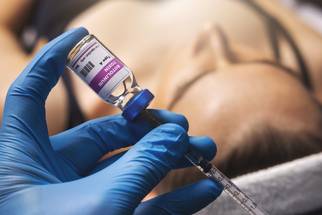
Botulinum toxin A may offer a potential adjunctive treatment option for both acne vulgaris and acne scarring, according to a recent systematic review published in the Journal of Drugs in Dermatology.
Botulinum Toxin Shows Promise for Acne and Scar Management
Reviewers analyzed available evidence examining the efficacy and safety of botulinum toxin A across a range of acne-related indications. The analysis included data from PubMed/MEDLINE, EMBASE, Scopus, CINAHL, Cochrane CENTRAL, and Google Scholar databases. Researchers narrowed the sample to review include 14 manuscripts encompassing 436 total patients, with 218 treated for acne vulgaris and 218 treated for acne scarring.
The analysis showed most patients experienced clinical improvement lasting approximately 3 to 6 months. Outcomes were assessed Practioners used sebometer readings, fine pore counts, lesion reduction, and patient satisfaction measures to assess outcomes. Patients treated for acne vulgaris saw reductions in sebum production and acne lesion counts following botulinum toxin administration.
The review also found improvement in acne scarring among patients receiving botulinum toxin A both as monotherapy and in combination with other procedural treatments. Patient satisfaction scores were consistently high across included studies.
The authors noted that evidence remains limited by variability in study design, treatment techniques, and outcome measures. Larger randomized controlled trials will be necessary to better define optimal dosing, durability, and patient selection criteria.
“Patients experienced a significant reduction in sebum production, number of acne lesions, and improvement in the appearance of acne scars, indicating a role for botulinum toxin A in the treatment of acne and acne scarring,” the authors wrote.
Source
Igiede J, et al. Journal of Drugs in Dermatology. 2026;25(6):508.