
Dupilumab and Linear Growth
Dupilumab treatment improves linear growth and bone biomarkers in children with atopic dermatitis.
KEY TAKEAWAYS
- Children with moderate-to-severe atopic dermatitis (AD) may experience impaired linear growth, potentially related to chronic inflammation, corticosteroid exposure, nutritional factors, and sleep disruption.
- Dupilumab treatment has been associated with improved growth in children aged 6 to 11 years with AD and growth impairment, with one-third gaining at least 5 height percentiles by week 16 versus 10% with placebo.
- Dupilumab was also associated with increased bone growth biomarkers.
The next time you see a pediatric patient receiving dupilumab, you might ask whether their rash has improved, their itch is better, or they are sleeping better. These are all reasonable questions, but I would encourage you to add one more: “Have you grown taller?”
We have long observed that children with moderate-to-severe atopic dermatitis (AD) tend to be smaller on growth curves. Many hypotheses have been proposed, including topical and systemic steroid use, the effects of chronic inflammation, and nutritional issues.1 Although the cause is likely multifactorial, encompassing all of these factors, sleep disruption has emerged as a leading explanation for this growth restriction.2 During sleep, growth hormone is secreted, and when sleep quality is impaired, growth hormone secretion may be reduced.3 Growth hormone also plays an important role in bone strength and development, which may contribute to the increased rates of osteoporosis, osteopenia, and fractures observed among patients with severe AD.4
With the availability of multiple approved treatments for AD, and the concomitant ability to achieve meaningful disease control, reduce steroid use, control inflammation, and improve sleep, could these children experience improved growth? The answer, based on a recent study,5 is a clear yes.
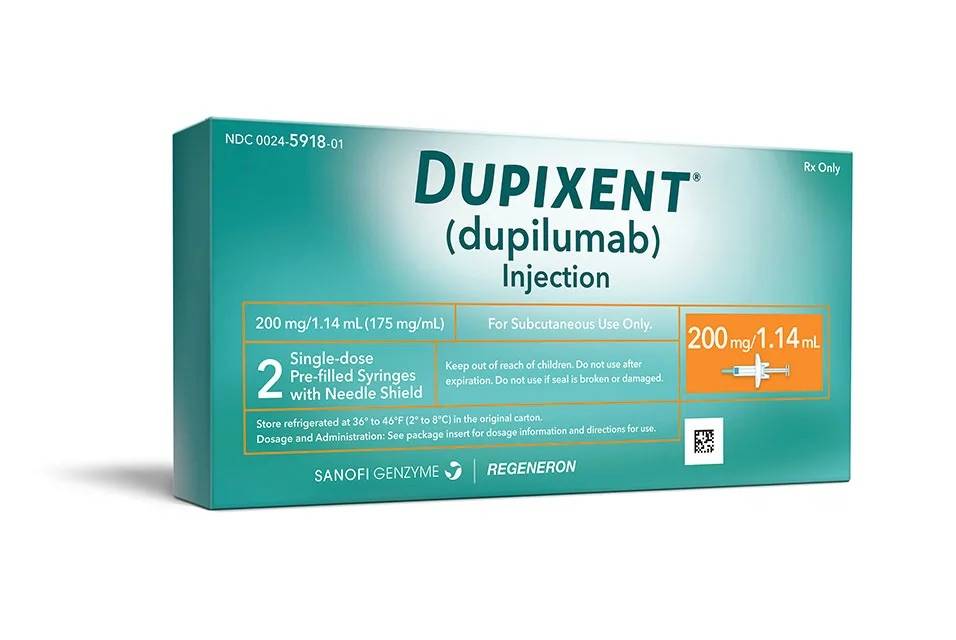
In a study of dupilumab treatment and growth in pediatric patients age 6 to 11 years with moderate-to-severe AD and growth impairment, half of the participants were started on dupilumab and the other half on placebo.5 At 16 weeks, one-third of the patients receiving dupilumab had increased their height by at least 5 percentiles, compared with 10% of patients receiving placebo. This trend persisted through 52 weeks. The authors also observed increases in serum bone growth biomarkers among the patients receiving dupilumab, suggesting a positive effect on bone health.
This article is vitally important to our discussions with patients and their caregivers. Choosing to start a systemic therapy in a young child can be a difficult decision for families. However, the systemic burden of AD, combined with the potential to improve the child’s growth trajectory, can represent powerful arguments in favor of dupilumab treatment. Few comorbidities or consequences of AD concern parents more than impaired growth and short stature. Discussing the potential impact of AD on growth can open an important conversation with caregivers about the broader effects of the disease and may increase their willingness to consider systemic treatment when appropriate.
I discuss very few journal articles in the examination room, but this is one that I mention frequently. We have a limited window of opportunity to make a meaningful difference for young children with AD and growth restriction. We must not wait: we must discuss growth as a priority.
Ready to Claim Your Credits?
You have attempts to pass this post-test. Take your time and review carefully before submitting.
Good luck!
Recommended
 Atopic Dermatitis
Nonsteroidal Topical Therapies for Atopic Dermatitis from Infants to Adults
Alice Tang, BA; Benjamin Ungar, MDAlice Tang, BA; Benjamin Ungar, MD- Atopic Dermatitis
The Importance of Patient-Reported Outcomes in Atopic Dermatitis
Aaron Cheng, BA, BS; David CotterAaron Cheng, BA, BS; David Cotter - Atopic Dermatitis
Severe Widespread Eczema Mimicking Mycosis Fungoides
BOSTON J. ANDERSEN; Harisankeerth MummareddyBOSTON J. ANDERSEN; Harisankeerth Mummareddy